
Silicone-Coated Fiberglass vs. Polywoven Hi-Temp Ducts – Which One Do You Need?
What Is a Hi-Temp Duct?
Hi-temp ducts are flexible ventilation ducts engineered to move air in environments that would melt, warp, or degrade standard ducting. Standard flexible ducts typically top out around 180°F, which is fine for everyday spot cooling/heating or ventilation. But when you are heating a construction site in winter, cold warehouse, trying to cure concrete in the cold or need emergency building heat, you need a duct built specifically to handle sustained heat exposure without losing airflow efficiency or structural integrity.
RiteChoice® Ducting’s DynaFlex™ Hi-Temp Ventilation Duct is purpose-built for these conditions. It’s available in two fabric options, silicone-coated fiberglass and polywoven, each engineered around a steel wire helix for crush resistance and shape retention. Both are flame resistant (UL94VTM-O, California Fire Marshal, and NFPA701 rated), mold and mildew resistant, UV protected, and available in lengths up to 50 ft. and diameters from 12 to 24 in. The difference comes down to how much heat you’re dealing with and what the duct needs to survive on the job.

Silicone-Coated Fiberglass vs. Polywoven – The Key Differences
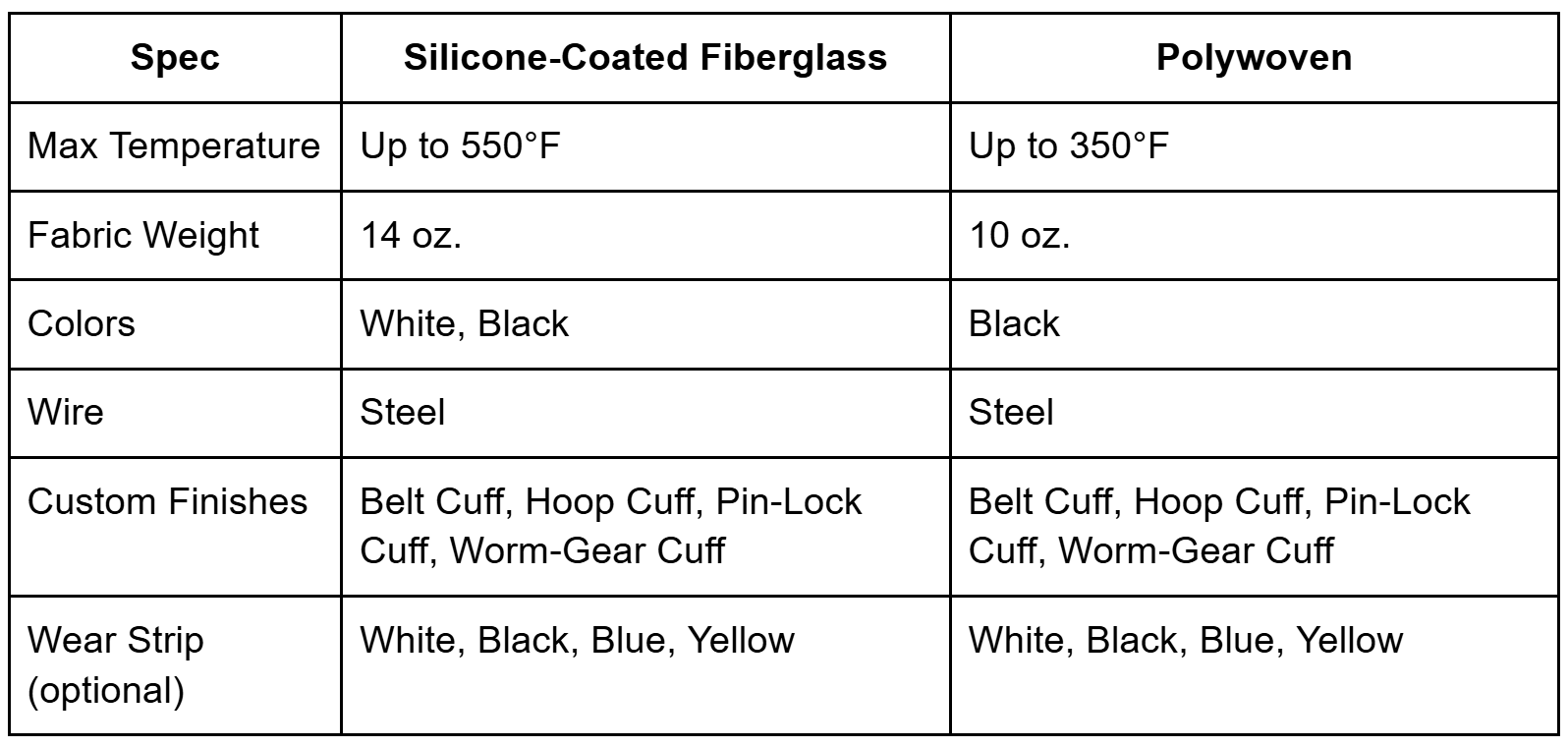
Temperature rating is the biggest differentiator. Silicone-coated fiberglass holds up to 550°F, making it the fabric of choice for direct or near-direct exposure to extreme heat sources. Polywoven, rated to 350°F, still handles serious heat but at a lower ceiling.
Weight and construction also matter. The 14 oz. fiberglass fabric is heavier and more rigid, giving it added resistance to radiant heat and sparks. The 10 oz. polywoven fabric is lighter and more flexible, making it easier to handle, coil, and maneuver on job sites where duct runs are moved frequently.
Both fabrics share the same steel wire helix, sewn bond construction, and custom finish options, so you’re not sacrificing durability or customization no matter which one you choose. The decision comes down to matching the fabric to the heat load and how the duct will be used day to day.

When to Use Silicone-Coated Fiberglass
Choose silicone-coated fiberglass when the duct will be exposed to the highest heat loads or positioned close to a heat source. Common applications include:
- Industrial curing and drying processes where sustained temperatures approach the 500°F range
- Exhaust ventilation near ovens, kilns, or furnaces
- Disaster relief and emergency response where equipment may run hot for extended periods in demanding conditions
- Construction and restoration projects involving heaters or equipment that produce higher ambient temperatures
If there’s any chance your air temperature will exceed 350°F, silicone-coated fiberglass is the safer, more reliable choice. It gives you a larger margin before you approach the fabric’s limits, which matters when equipment cycles or ambient conditions fluctuate.
When to Use Polywoven
Polywoven is the right fit when you need solid heat resistance without the highest-end temperature rating, especially in applications where flexibility and lighter weight are advantages. Common applications include:
- Temporary heating and cooling for job trailers, tents, and work areas
- Utility blowers and ambient air distribution
- Dehumidification in construction, water damage restoration, or storage environments
- Rental fleets where ducts are handled, coiled, and transported frequently
For most temporary heat applications, 350°F is more than enough headroom, and the lighter polywoven fabric is easier on crews who are setting up and breaking down duct runs on a regular basis.
Why Choose RiteChoice® for Hi-Temp Ducting
RiteChoice® Ducting builds its DynaFlex™ Hi-Temp ducts in-house in the USA, with ready-to-ship inventory and custom lengths, diameters, and colors available on request. Every duct is sewn (not just fused) for stronger seams under heat stress, and you can pair either fabric with the cuff style and wear strip color that fits your equipment and workflow, including Soft, Belt, Hoop, Pin-Lock, and Worm-Gear cuffs. If you’re not sure which fabric fits your application, the RiteChoice® team will help you match the right duct to your temperature range, airflow needs, and job site conditions instead of guessing and risking premature failure.
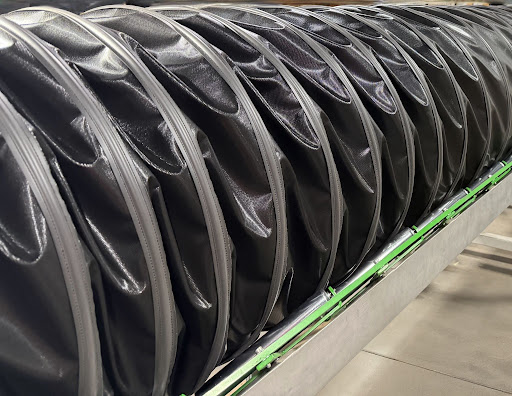
Choosing between silicone-coated fiberglass and polywoven Hi-Temp duct comes down to one core question: how hot does your application actually get? If you’re working near the upper limits of industrial heat, up to 550°F, silicone-coated fiberglass gives you the durability and thermal margin to perform reliably. If your application stays under 350°F and you value a lighter, more flexible duct for frequent handling, polywoven is the practical choice. Either way, RiteChoice® Ducting’s DynaFlex™ Hi-Temp line delivers steel-wire durability, flame resistance, and full customization, backed by American manufacturing and ready-to-ship inventory.
Ready to spec out your hi-temp duct? Explore DynaFlex™ Hi-Temp Ventilation Duct or request a quote from RiteChoice® Ducting today.
(800) 612-7200
contact@ritechoiceducting.com
FAQs